December 19, 2025
In the ever-evolving landscape of residential architecture and design, custom home builders are at the forefront, crafting spaces that reflect not just the latest aesthetic and functional trends but also the lifestyle aspirations of homeowners. Understanding these trends is paramount for those looking to invest in custom homes, not only for personal satisfaction but also to enhance market value. Leveraging the insights from leading custom home builders, we're happy to share our guide to the key trends currently shaping the custom home market, ensuring your investment is both future-proof and personalized.
Sustainability and Eco-Friendly Materials
As global awareness around environmental issues increases, sustainability has become a significant focus in home design. Professional builders increasingly adopt energy-efficient building techniques, such as passive solar design and high-performance windows that drastically reduce energy consumption. Furthermore, the usage of recycled and renewable materials is becoming a standard practice, not just as a cost-effective measure but also as a means to lower the environmental footprint of new constructions.
Water conservation systems are integral to sustainable living and are widely integrated into new home designs to minimize water usage. Technologies such as rainwater harvesting and gray water recycling are becoming more widespread, reflecting a shift towards resource preservation. Moreover, builders are incorporating home automation systems that monitor and optimize water usage, adding an extra layer of efficiency not previously available.
Home automation for energy saving is proving to be a game-changer, offering homeowners smarter ways to control energy use in real-time. Smart thermostats, automated lighting systems, and solar energy alignment are features that not only enhance sustainability but also reduce utility costs. These technologies provide insights into consumption patterns, enabling more informed decisions about reducing one's carbon footprint.
Smart Home Technology
The integration of smart home technology is reshaping how homeowners interact with their living spaces. The Internet of Things (IoT) devices now allow seamless control over various home functions, from lighting and climate to security systems. This evolution in home tech extends to everyday appliances as well, offering conveniences such as smart refrigerators and ovens that can be controlled remotely.
Security and surveillance technologies have evolved miles beyond traditional systems, now incorporating AI-driven cameras and sensors that provide real-time updates and alerts. These systems are programmed to recognize regular patterns and notify homeowners of unusual activities, greatly enhancing safety and peace of mind. Voice-controlled home management systems complement these technologies, providing a hands-free way to monitor and manage home systems.
Beyond security, remote monitoring and management systems empower homeowners to take care of their property's needs around the clock, no matter where they are. Adjusting temperatures, checking appliance status, or even controlling entertainment systems are tasks that can now be done remotely, adding layers of convenience previously unimaginable. This kind of control is not just futuristic; it is rapidly becoming the norm, setting new standards for what is expected in custom home design.
Open Floor Plan Concepts
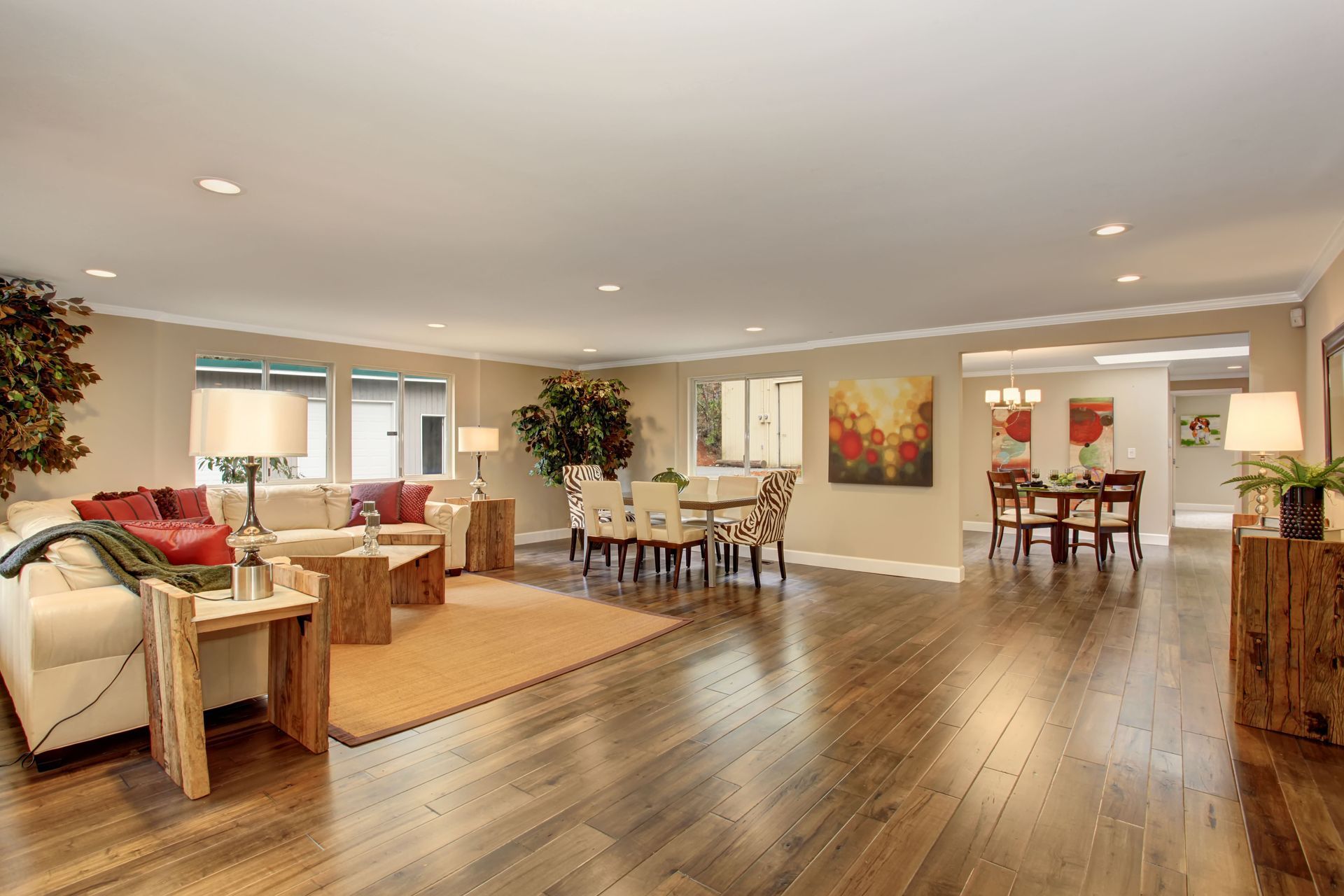
The shift towards open floor concepts reflects a broader trend of creating flexible living spaces that promote interaction. Blending indoor and outdoor spaces is a popular approach among custom home builders, facilitating a seamless transition that blurs the traditional lines between the home and the exterior environment. According to Fixr, over 95% of remodeling professionals claim that an outdoor living space can significantly impact a home's value, underscoring the financial merit of such designs.
Minimalist design approaches are also gaining traction as they encourage the use of space more efficiently without unnecessary clutter, enabling more fluid movement through the home. Custom home builders achieve this by employing strategies that maximize natural light and maintain a clear visual flow across spaces. Such designs not only optimize spatial dynamics but also create calming environments that promote well-being.
Flexible living spaces are another dimension of the open floor plan, allowing for multiple uses within the same area. Whether it's a kitchen that doubles as a dining room or a living space that converts into a guest room, these designs cater to the demands of modern living. Seamless room transitions are achieved through uniform floor materials and soft lighting transitions, contributing to a harmonious and accommodating home experience.
Emphasis on Personalization and Uniqueness
Today's custom homes are distinguished by their emphasis on personalization, where no two homes are exactly alike. Customized architectural features allow homeowners to express their tastes and preferences in structural elements, creating unique facades and interior layouts that stand out. Builders facilitate this by working closely with clients to understand their vision, ensuring the outcome is both personalized and architecturally sound.
Interior design elements uniquely crafted for each home further this bespoke approach by incorporating artistic and functional elements tailored to the homeowner's lifestyle. One-of-a-kind fixtures, furniture, and decor can transform a space into a personal sanctuary, reflecting not only aesthetic preferences but also practical needs. Such customization can significantly increase the home's appeal and, consequently, its market value.
Personalized landscaping and outdoor spaces extend this philosophy of uniqueness beyond the home's walls. By introducing bespoke patios, decks, and gardens, a sense of continuity is achieved between the home's interior and its natural surroundings. This intentional design elevates outdoor areas into integral living spaces, enhancing their functionality while celebrating the homeowners' passions and lifestyles.
Wellness at Home
The incorporation of biophilic design principles is becoming a staple in custom homes, aiming to bring the tranquility of nature indoors to support mental and physical wellness. Large windows, indoor plants, and nature-inspired materials help to create soothing environments that promote relaxation and well-being. This approach not only underscores the importance of a healthy living space but also aligns with an overarching trend towards sustainability.
Homeowners are increasingly seeking spaces that serve as sanctuaries where they can retreat for relaxation and meditation. These could be dedicated meditation rooms, library nooks, or spa-like bathrooms designed to offer respite from daily stresses. These spaces are meticulously designed with soft lighting, calming colors, and comfortable furniture, making them ideal for unwinding and contemplating.
In this pursuit of wellness, elements like healthy home air quality improvements are paramount, leading custom home builders to incorporate advanced HVAC systems and air purifiers into their designs. Improved circulation systems that use HEPA filters or UV light treatments can significantly enhance air quality, contributing to health. Additionally, the inclusion of home gyms and exercise spaces provides direct access to physical wellness activities, facilitating a healthier lifestyle directly within the home.
Multigenerational Living Solutions
With changing family dynamics, multigenerational living solutions have gained prominence, offering flexible and inclusive home layouts. Design features catering to accessibility ensure that homes accommodate family members of all ages and abilities. For instance, wider doorways, non-slip floors, and even elevator systems can be integrated into new builds to enhance accessibility.
In-law suites and separate guest quarters have become valuable additions to custom home design, providing privacy and independence for relatives or guests. These spaces are often designed to include all amenities, such as a mini kitchen and bathroom, to allow for fully autonomous living when needed. This thoughtful approach to space planning also helps in responding to the growing trend of aged care within the home environment, keeping families closer together.
Shared common areas play a crucial role in encouraging interaction and togetherness among family members while maintaining privacy when desired. Kitchens and living rooms are often designed with this balance in mind, featuring open layouts that can adapt to various uses and gatherings. At the same time, privacy-oriented design choices, such as soundproofing and strategic room placement, ensure personal space stays respected and valued.
The field of custom home design is becoming increasingly characterized by trends that focus on sustainability, technological integration, and personal well-being. Insights shared by custom home builders reveal how these trends are shaping the market, providing homeowners with the tools to craft spaces that are both functional and reflective of individual lifestyles. As the housing market continues to evolve, staying informed on these trends is essential for creating innovative residential environments that not only meet modern needs but also anticipate future ones. Reach out to Millstone Development today to learn about home design trends and more.